Recovering the core of the Mahābhārata
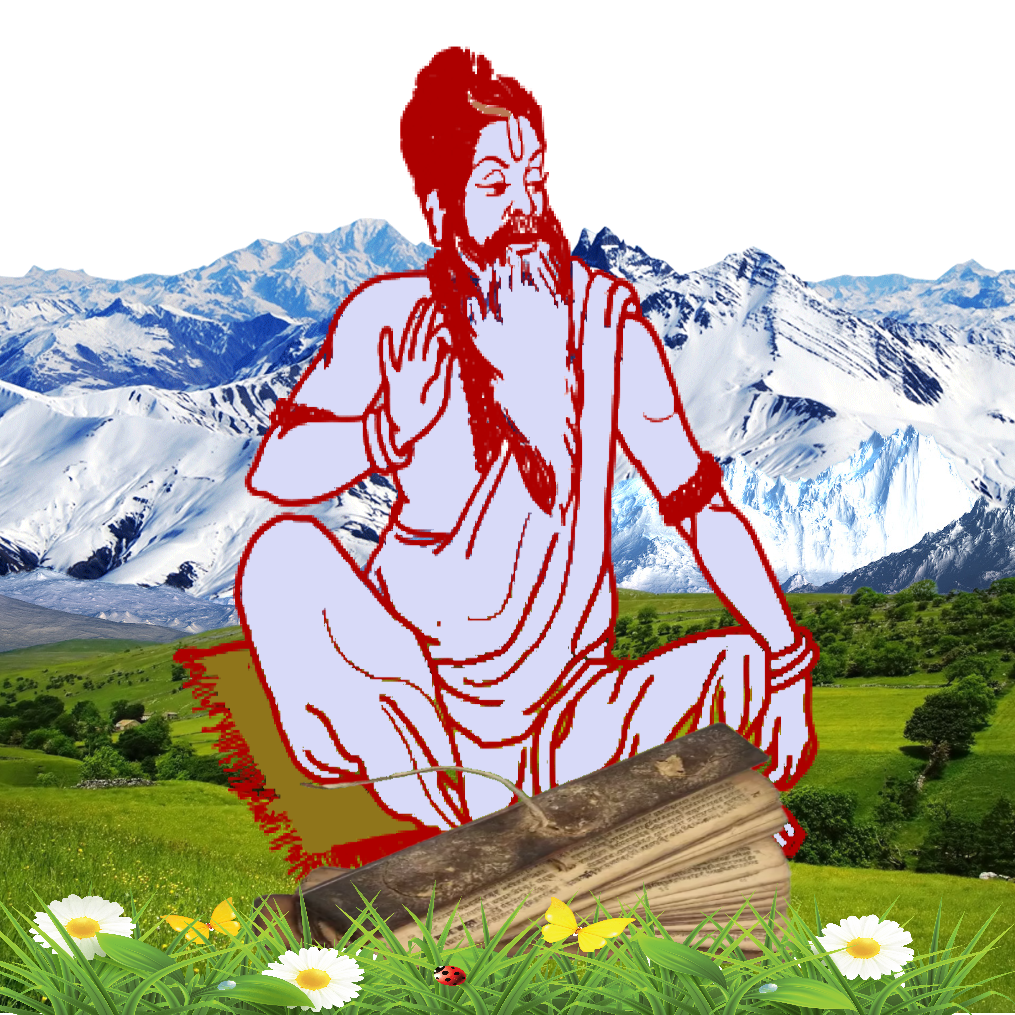
The Mahābhārata has a long textual history. Project Victory investigates its different layers with the objective of identifying and reconstructing its earliest Vedic core — the approximately 8,800-verse Jaya and its first expansion, the approximately 24,000-verse Bhārata, both associated with Kṛṣṇa Dvaipāyana Vyāsa.
Project Victory began with the simple but demanding objective of discovering the earliest core of the Mahābhārata as described in the Mahābhārata itself:
“I know eight thousand eight hundred verses; Śuka knows them, and Saṃjaya may or may not know them. Even to this day, O sage, that knot of verses remains firmly tied and cannot be unraveled because its meaning is obscure and compressed.”
“The Bhārata Saṃhitā was composed in 24,000 verses. Without the subsidiary narratives, this is what the learned call the Bhārata.”
Near the end of the Mahābhārata, Vyāsa distilled his teaching into four verses:
“With my arms raised I cry aloud, yet no one listens to me. From Dharma arise Artha and Kāma; why then is Dharma not followed? Dharma should never be abandoned for desire, fear, greed, or even for the sake of life itself. Dharma is enduring; pleasure and pain are transient. The jīva is enduring; the conditions surrounding its worldly existence are not.”
Project Victory takes these statements seriously. Its working hypothesis is that the figure of 8,800 verses preserves a memory of the intellectual core of Vyāsa’s composition, which we call Jaya. More importantly, the description of these verses as deliberately difficult provides an important clue that knowledge is embedded within the narrative through symbolism and multiple layers of meaning.
The approximately 24,000-verse Bhārata was probably the first expansion of this core, in which some of these hidden meanings were made more explicit. Vyāsa’s summary statement makes the underlying intent of the work clear: to impart a proper understanding of Dharma, Artha, Kāma, and Mokṣa.
If so, recovering the core of the Mahābhārata requires more than identifying its oldest verses. It requires recovering its intellectual architecture.
With this context, we invite you to explore this exciting Mahābhārata puzzle!